Madagascar — verified dealers & sourcing guide
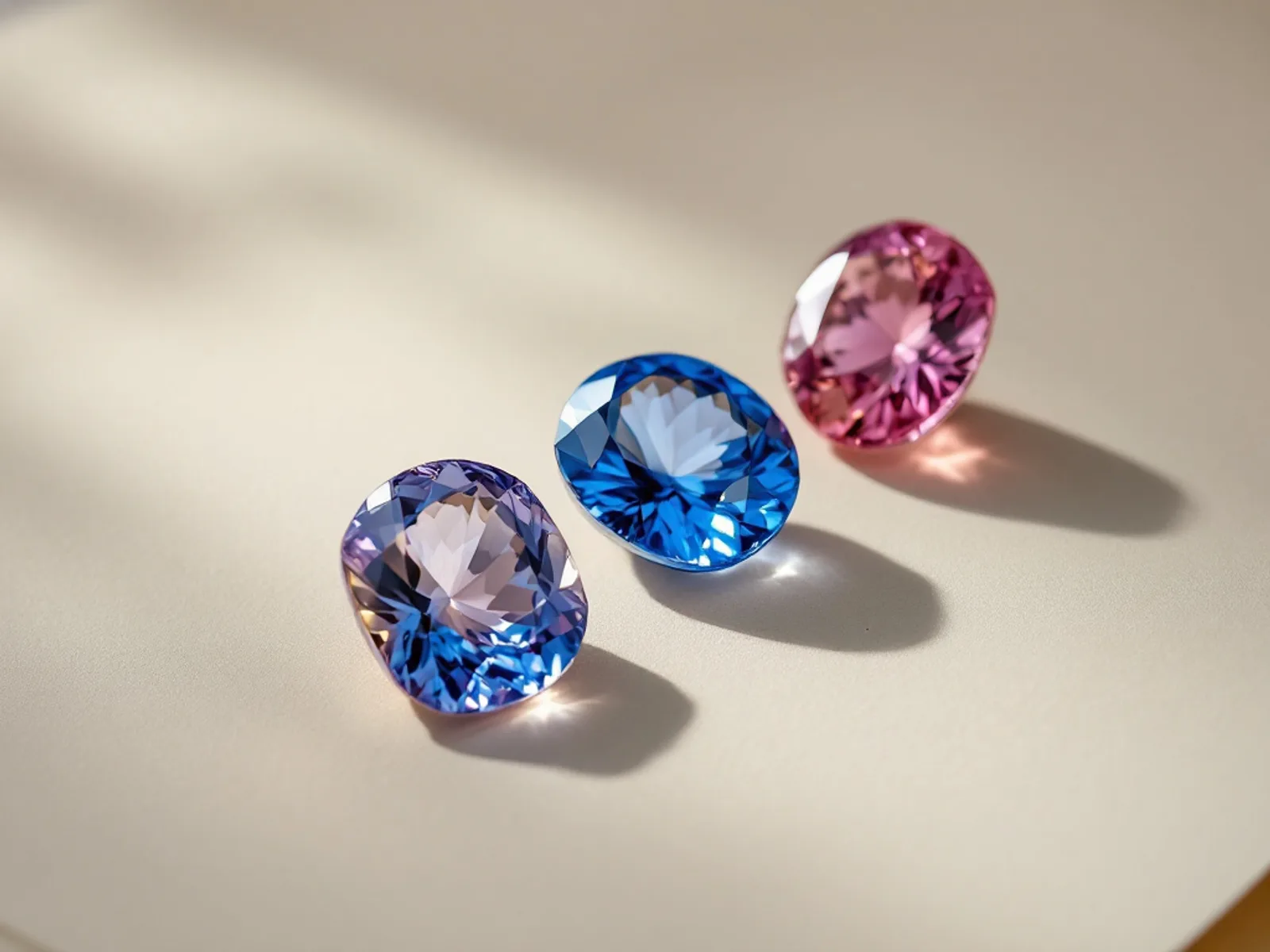
Madagascar produces a wider spread of gem material than almost anywhere else. Since the Ilakaka find of 1998 it has been one of the three largest sapphire sources in the world. Much of that sapphire reaches you after heating in Sri Lanka or Thailand, and a fair share of it is sold under another country's name. That is the buyer's problem in one sentence. This page covers Ilakaka and Andranondambo sapphire, and ruby from Vatomandry, Andilamena and Zahamena. It takes in the tourmaline, demantoid and rarities of the highlands, and the Antananarivo trade. It ends with the beryllium diffusion episode of 2001, which anyone buying orange sapphire should know about.
Sapphire: Ilakaka, Andranondambo and the forest rushes
Ilakaka, in the southwest, is a vast secondary deposit. Sapphire eroded from metamorphic rocks and settled in old river gravels, and tens of thousands of small-scale miners have worked those gravels since 1998. Blue, pink, yellow, purple and colour-change sapphire all come out of it. So do pinkish-orange stones the trade calls padparadscha when they meet the laboratory colour rules. Typical Ilakaka blue is light to medium and improves with heat. The fine stones are saturated blue without heat and compete with Ceylon sapphire directly. Its pink is a market staple.
Andranondambo, in the southeast, is a primary skarn deposit found in the early 1990s. Small volume. At its best a velvety, saturated blue that has been compared with Burma and Kashmir. Comparisons of that sort appear on invoices more often than on reports. Bemainty, in the east, produced a rush of very fine blue in 2016. Didy nearby did the same in 2012. Both lie in protected forest, so ask how any such stone was sourced. Basalt-related deposits in the far north give darker, greenish blue in commercial grades.
Ruby, tourmaline, demantoid and the rest
Vatomandry, on the east coast, was found in 2000. It produces some clean, saturated red stones that laboratories can separate from Mozambique and Burma. Andilamena, near Lake Alaotra, was found the same year and yields large volumes of heavily fractured material. Much of the glass-filled composite ruby that flooded the market from the mid-2000s began there. Zahamena, and the Didy and Bemainty rushes, added fine ruby of good colour, again from protected forest.
The pegmatites of the central highlands are known for liddicoatite tourmaline, often cut as multicoloured slices, and for rubellite. Demantoid garnet was found at Antetezambato near Ambanja in 2009. The best is a strong green. Unlike Russian demantoid it usually lacks horsetail inclusions, which is one way a laboratory tells them apart. Emerald, aquamarine, spessartine, colour-change garnet from Bekily, sphene, apatite and grandidierite round out the list. Most are untreated apart from routine heat in aquamarine and oil in emerald.
The Antananarivo trade and the Ceylon problem
Rough leaves Ilakaka through the Sri Lankan and Thai buying offices in the town itself, or through the dealers of Antananarivo. The government has at times restricted or banned rough export. Most sapphire is then heated and cut in Sri Lanka or Thailand. That is why Madagascar sapphire is so often sold as Ceylon. It is finished in Sri Lanka, it looks similar, and Ceylon is the name people know. Ruby and the fine blue from the eastern rushes tend to go straight to Bangkok.
Laboratories separate Madagascar from Sri Lanka by inclusions and chemistry, and the two overlap more than most pairs. A report may decline to give an origin. When it does, that is honest reporting. A dealer who fills the gap with a firmer claim is not being more helpful.
Heat, beryllium and what the report says
Around 2001, treaters in Thailand heated pale Madagascar sapphire with a beryllium source. Out came orange and pinkish-orange stones sold as natural padparadscha until the laboratories caught them. Beryllium diffusion later produced blues and yellows as well. It is not a surface coating. The colour goes deep and needs LA-ICP-MS or similar chemistry to detect. Reports call it heating with light-element diffusion, or beryllium diffusion, and it lowers value sharply. Any orange or yellow sapphire without a report from a major laboratory should be priced as diffused. GIA, Gübelin, SSEF, AIGS, GRS and Lotus all test for it.
Ordinary heat is a separate matter. Most commercial Madagascar sapphire is heated, reports disclose it as "indications of heating" or H, and the price reflects it. Unheated stones carry the positive claim "no indication of heating".
Buying notes
Ask for the report before the price; origin and treatment come from an independent laboratory, not the seller. If a stone is sold as Ceylon, ask whether the report says Sri Lanka or Madagascar, because the difference is money. For padparadscha, check that the laboratory applied its own colour criteria and confirmed no diffusion. Some of these stones fade after light exposure and good reports test for it. For ruby, ask about lead-glass filling whenever the price looks kind.
Buying through the register
The dealers listed on this page have had legitimacy, certification practice and disclosure checked. Ask them for the laboratory report, ask them to confirm treatment in writing, and make sure the origin on the invoice matches the origin on the report.
GemsVerified verifies dealers, not individual stones. Our review covers how a dealer works. The report from an independent laboratory tells you what the stone is.
Verified dealers
View all in directory →No dealers are currently admitted for this page. The catalogue grows as dealers pass verification.
Questions, answered
Yes, across the range. Ilakaka produces commercial blue and pink in volume, and its best unheated blue competes directly with Ceylon sapphire. Andranondambo and the Bemainty and Didy finds have given fine velvety blue that laboratories have compared with the best sources. Quality varies enormously, so judge the stone and its report, not the country.
Most commercial Madagascar sapphire is heated in Sri Lanka or Thailand to improve colour and clarity, and a laboratory report will say "indications of heating". Unheated stones exist and carry a premium under the wording "no indication of heating". Treatment should be established by an independent laboratory, not by the seller's description.
Sapphire heated with a beryllium source so that colour penetrates the stone, first seen around 2001 on Madagascar material sold as padparadscha. It needs laboratory chemistry to detect and it lowers value sharply. Avoid it by buying orange, pink-orange and yellow sapphire only with a report from a major laboratory that tests for diffusion.
Because most of it is heated and cut in Sri Lanka, looks similar, and Ceylon is the better-known name. Some sellers do it knowingly and some inherit the label from their supplier. The origin on a laboratory report is what counts; ask whether it says Sri Lanka or Madagascar before you agree a price.
Yes. Vatomandry, Andilamena, Zahamena and the Didy and Bemainty rushes have all produced ruby, some of it fine. Andilamena also produced large volumes of fractured material that was lead-glass filled and sold cheaply. Ask for a report stating origin and treatment, and ask specifically about glass filling if the price seems low.