Mozambique — verified dealers & sourcing guide
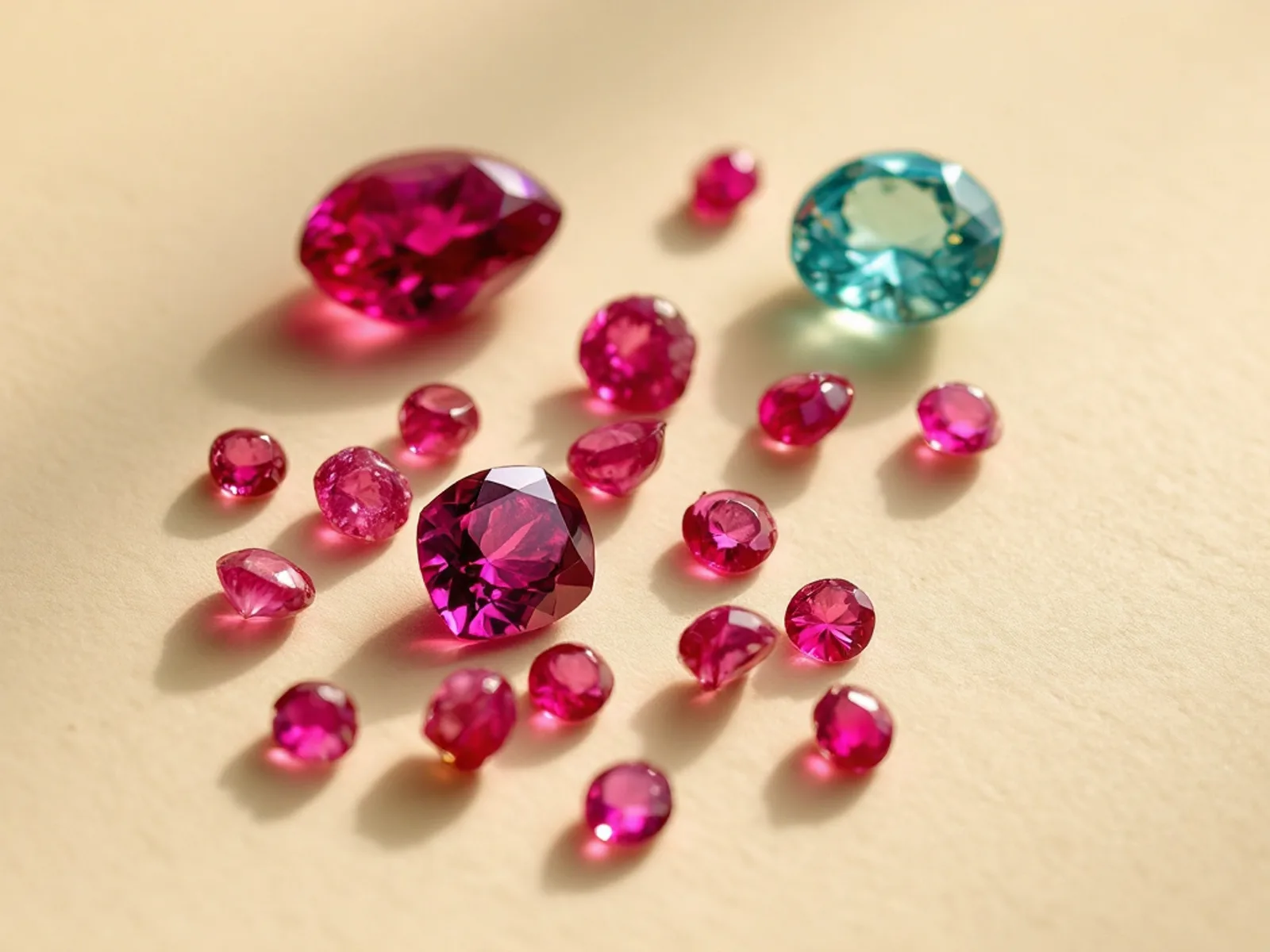
Most of the ruby sold anywhere today came out of the ground in northern Mozambique. That has been so since a few years after the Montepuez find of 2009, and it is why a buyer now meets Mozambique ruby at every price point, from an unheated 5 ct stone with a Gübelin report to lead-glass composites sold by the strand. For most of a century "where do the best rubies come from" had one answer, Burma. It is still an answer, just no longer the only one. Below: Montepuez, Mavuco's Paraiba-type tourmaline, Alto Ligonha aquamarine, the trade routes, how a laboratory tells Mozambique from Burma, and what to ask before handing over money.
Montepuez
The ruby here formed in amphibole-bearing rock, then weathered out and settled into gravel. So it is mined from rock and gravel alike, by two very different sorts of miner. One large mechanised operation sells what it recovers through sealed-bid auctions in Asia. Artisanal diggers work the surrounding licences, some legally and some not, and the two supply chains do not always stay apart.
Dealers split the output loosely by area. Mugloto tends to a deeper, slightly darker red, often with fine silk in it, and most of the clean unheated stones above 3 ct come from there. Maninge Nice runs brighter and more purplish; cleaner in small sizes, more fractured, and usually heated. The good stones from either area get called vivid red, or pigeon's blood. Whether a laboratory will print pigeon's blood depends on its own colour, fluorescence and treatment criteria, which differ from house to house. Read the wording. Ignore the headline.
Treatment comes first because treatment moves the price. Unheated Mozambique ruby is not rare at the top end, which surprises people used to Burma. On a report, "no indication of heating" is a positive claim, and it carries a premium. Mid grades are heated, sometimes with a flux that leaves residues in healed fissures, and a report will say heated with minor, moderate or significant residues. Each of those words is a different price. At the bottom sits heavily fractured low grade filled with lead glass and sold as composite or glass-filled ruby. Cheap, not durable, and an honest dealer says so unprompted.
Mavuco and the pegmatite gems
Copper-bearing tourmaline turned up in the Mavuco area of Nampula province around 2001, in the Alto Ligonha pegmatite district long known for aquamarine, morganite and coloured tourmaline. The best Mavuco stones are neon blue to blue-green and sell as Paraiba-type or cuprian tourmaline. Under the harmonised laboratory wording, Paraiba names a colour type of copper-bearing tourmaline and says nothing about Brazil. Geographic origin goes on a separate line, if it can be determined. Mozambique material runs larger and cleaner than Brazilian, often a shade lighter in saturation. Most of it is heated to take out pink and purple modifiers. Heat in tourmaline is generally not detectable, so assume it.
Aquamarine from the same district cuts clean stones in good sizes. It is heated to strip out yellow as a matter of course, the heat cannot be detected, and reports write "may be heated". None of the treatment worry over ruby applies here. Origin is another matter. A Mozambique origin claim for tourmaline should rest on a report from a laboratory that actually offers it, and several do not.
Trade routes and telling it from Burma
The auction rough goes to sightholders in Bangkok, Jaipur and Sri Lanka, who cut it and heat it where heat will help, and it comes back as polished goods through Hong Kong, Bangkok, Geneva and New York. Artisanal rough takes the other road, out through Pemba and Nampula to Nairobi, then on to Bangkok and Chanthaburi. Four borders is not unusual for a stone before a jeweller ever sees it. That, more than anything, is why the origin on the report counts and the origin on the invoice does not.
Telling Mozambique from Burma is one of the easier jobs a laboratory has. The Burmese stone grew in marble, so it is low in iron and fluoresces strongly, and under the microscope you find calcite and short silk. The Mozambique stone grew in amphibolite. More iron, therefore, a weaker glow under ultraviolet, and amphibole crystals among the inclusions. Chemistry and spectroscopy back the microscope up. GIA, Gübelin, SSEF, GRS, AIGS and Lotus all issue Mozambique origin. Each will tell you it is an opinion drawn from evidence, not a certificate from the mine.
On price. Burma still holds the top premium for a given colour and clarity, but the gap has narrowed for fine unheated Mozambique stones, and Mozambique now supplies most of the large clean unheated rubies on offer. Colour, absence of heat, clarity and size drive value. A dealer who quotes a firm price without a report in hand is telling you something about themselves.
Buying notes
Ask for a report from an independent laboratory stating origin and treatment. The seller's word is not a treatment disclosure. If you are paying an unheated premium, look for "no indication of heating", and remember that "heated" and "heated with residues" are different tiers. Treat any cheap large red stone as glass-filled until a report says otherwise; glass-filled ruby is damaged by jeweller's acids and heat. Ask how the rough entered the supply chain. Cabo Delgado has seen unrest since 2017, and a dealer worth dealing with can tell you where the material was bought and from whom.
Buying through the register
The dealers listed on this page have had legitimacy, certification practice and disclosure checked. Ask for the laboratory report. Have treatment confirmed in writing. Then put the report wording next to the invoice and see whether they agree.
GemsVerified verifies dealers, not individual stones. The report from an independent laboratory tells you what the stone is.
Verified dealers
View all in directory →No dealers are currently admitted for this page. The catalogue grows as dealers pass verification.
Questions, answered
At the top, yes, on colour and clarity, and it comes in larger clean unheated sizes than Burma manages today. Burma still fetches more for equal quality; history and stronger fluorescence account for most of that. The gap has narrowed. Compare the two on the laboratory report rather than the country name.
A lot of it. Fine Mozambique ruby is often sold unheated, and "no indication of heating" on a laboratory report is a positive claim with a premium attached. Mid grades are heated, sometimes with flux residues that the report will note. Low grades are lead-glass filled and must be sold as composite ruby.
Inclusions and chemistry, mainly. Mozambique ruby grew in amphibolite, so it holds more iron, fluoresces less and often contains amphibole crystals. Burmese ruby grew in marble and carries calcite and short silk. Trace-element analysis settles anything the microscope leaves open. GIA, Gübelin, SSEF, GRS, AIGS and Lotus all give Mozambique origin opinions on their reports.
Heavily fractured low-grade ruby whose fissures have been filled with lead glass so it looks transparent. It is cheap, it is damaged by jeweller's acids, heat and some cleaning solutions, and it has to be disclosed as composite or glass-filled ruby. A report from an independent laboratory will catch it every time. A seller's description catches it only when the seller wants it caught.
The laboratories settled this some years ago. "Paraiba tourmaline" on a report means copper-bearing tourmaline of the blue-to-green colour type, from anywhere; the country goes on a separate origin line when it can be determined. Mavuco stones qualify on colour. Brazilian material still fetches more for equal saturation, so if the price assumes Brazil, insist on a report that states origin and not just the trade name.