Thailand — verified dealers & sourcing guide
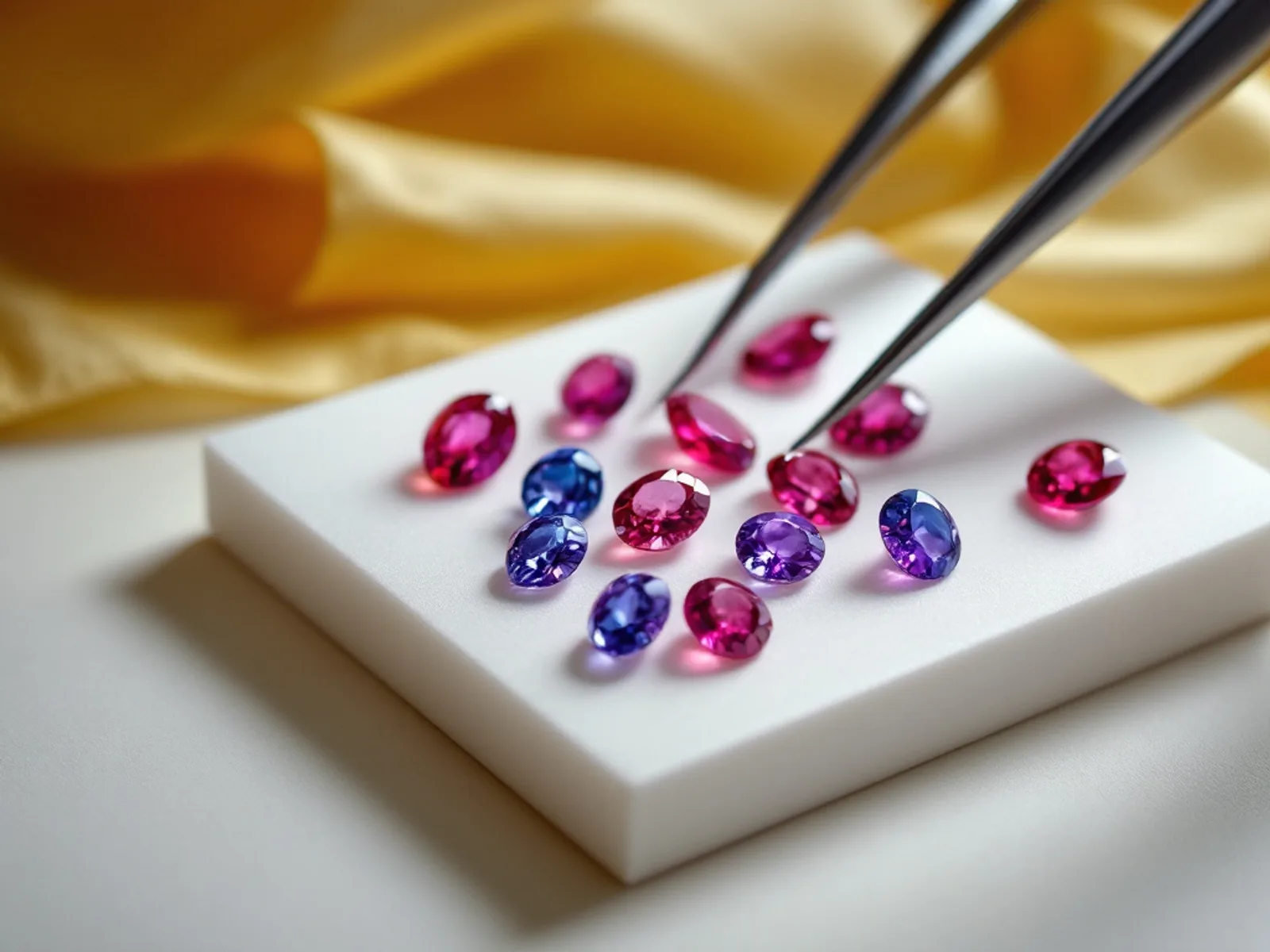
Thailand is where much of the world's ruby and sapphire is heated, cut and traded, whatever ground it came from. Chanthaburi's burners and Bangkok's dealers handle stones from Mozambique, Madagascar, Sri Lanka, Myanmar and Australia. Thailand's own deposits at Chanthaburi-Trat and Kanchanaburi are a smaller part of the story than they were forty years ago. This page covers the heating and cutting hub, the Thai and Cambodian deposits, and buying at Bangkok fairs. It also explains what "origin Thailand" on a report actually means, as opposed to "traded in Thailand".
Chanthaburi and Bangkok: the world's heating and cutting hub
Chanthaburi lies three hours south-east of Bangkok. It grew from a local mining town into the place where corundum from everywhere is treated. Its heat treaters, known as burners, refined the furnace work that turned Sri Lankan geuda blue in the 1970s. They cleared Mong Hsu ruby with flux in the 1990s and later handled Madagascan and Mozambican material. Beryllium diffusion emerged there around 2001, and lead-glass filling of low-grade ruby a few years later. The weekend gem market on Si Chan Road is where much of the world's heated sapphire first changes hands.
Bangkok is the commercial end: the Silom and Mahesak district, the Jewelry Trade Center, and the twice-yearly Bangkok Gems and Jewelry Fair. It also holds more coloured-stone labs than any other city, including GIA's Bangkok lab, AIGS, GIT, GRS and Lotus. These labs disclose heat as "indications of heating". Beryllium diffusion is reported as diffusion, not heat. Lead-glass filled ruby is reported as a composite or clarity-enhanced stone. Insist on that vocabulary in writing.
Thai and Cambodian deposits
Thailand's own corundum comes from basalt-related deposits. That means higher iron and darker, less fluorescent colours than marble-hosted Burmese stones. The Chanthaburi-Trat fields run across the border into Pailin in Cambodia. They produced the "Siam ruby" that was the commercial ruby of the 1970s and 1980s: red to purplish or brownish red, almost always heated, rarely glowing. The same fields gave dark blue sapphire, golden yellow sapphire and black star sapphire. Kanchanaburi, north-west of Bangkok, produced inky blue sapphire from Bo Phloi, mostly heated. Output from all these deposits has fallen sharply since the 1990s. Thai-mined stones are now a small share of what passes through Thai hands.
What "origin Thailand" means on a report
When a lab writes "Thailand" or "Thailand/Cambodia" as origin, it is giving an opinion that the stone was mined in those basalt fields. The opinion rests on inclusions and trace-element chemistry compared with reference stones. The two countries are often not separated because the geology is the same. That is a statement about the ground, not about where the stone was cut or sold. Most ruby and sapphire bought in Bangkok were mined elsewhere. "Thai sapphire" on an invoice can mean either, so read the report line. If there is no report, assume "traded in Thailand". Reports from GIA, Gübelin, SSEF, AIGS, GRS and Lotus carry weight worldwide. Small local certificates issued at the counter may not.
Buying at Bangkok fairs and in Chanthaburi
The Bangkok fair in February and September, the Jewelry Trade Center and the Chanthaburi weekend market all sell to visiting buyers. Prices there set the tone for the wholesale trade. Assume every ruby and sapphire is heated unless a lab report says otherwise, and treat verbal "no heat" as a claim. Look hard at orange, yellow and padparadscha-like colours, where beryllium diffusion is common, and at cheap ruby, where lead-glass filling is common. Flame-fusion synthetics also turn up in parcels. Buy the report with the stone. Ask for the treatment to be written on the invoice, and confirm that the seller can supply export documents.
Buying notes
Ask three things: is it heated, is it diffused or filled, and which lab has seen it. Watch for heated stones sold as unheated, beryllium-diffused stones sold as heated, and glass-filled ruby sold as ruby. Thai-cut African or Sri Lankan stones described as Thai are another common one. Do not confuse the phrase "Bangkok certificate" with a report from a named lab. And do not treat a heated stone as a problem. Disclosed heat is the norm here, and the price should reflect it.
Buying through the register
GemsVerified has checked the legitimacy, certification practice and disclosure of every dealer listed on this page. That check covers how a dealer operates, not the stones in any one parcel.
Ask for the laboratory report on any significant purchase. Confirm the treatment status in writing on the invoice. And remember that GemsVerified verifies dealers, not individual stones.
Verified dealers
View all in directory →No dealers are currently admitted for this page. The catalogue grows as dealers pass verification.
Questions, answered
Historically yes: the Chanthaburi-Trat fields and neighbouring Pailin in Cambodia supplied the darker "Siam ruby" of the 1970s and 1980s. Those deposits are largely worked out. Today most ruby in Thailand was mined in Mozambique or Myanmar and heated in Chanthaburi, so a stone bought in Bangkok is rarely Thai in origin.
It is a laboratory's opinion, based on inclusions and chemistry, that the stone was mined in the basalt-related fields of Thailand or Cambodia; the two are often reported together. It says nothing about where the stone was cut or sold. Only an independent laboratory can give that opinion; a seller's description of a stone as Thai does not.
By the laboratories, yes: GIA Bangkok, AIGS, GIT, GRS and Lotus report indications of heating, diffusion and glass filling in plain terms. In the market, disclosure varies, and heat is so routine that some sellers do not mention it. Assume heat unless a report states no indications of heating, and get the treatment written on the invoice.
GIA's Bangkok laboratory, AIGS, GIT, GRS and Lotus issue reports recognised internationally, and Gübelin and SSEF reports from abroad are equally accepted. Bangkok also has many small counters issuing certificates that carry little weight. Ask which laboratory issued the report and, for an important stone, consider having it re-examined.
It is a legitimate wholesale venue with a wide range of goods and prices, and many reputable dealers exhibit. Buy with the same discipline as anywhere: assume heat unless a report says otherwise, check for diffusion and glass filling in the relevant colours, get treatment on the invoice, and prefer dealers who supply laboratory reports without being pressed.